Practical IoT Applications Across Buildings, Estates & Infrastructure
Nesos Group’s IoT infrastructure supports a wide range of practical use cases across residential, commercial, and public-sector environments. Each application is designed to deliver reliable, real-time data that enables earlier intervention, improved compliance, and more informed operational decisions.
The examples below illustrate how organisations use LoRaWAN networks, connected sensors, and the NesosIQ platform in practice.
Example Use Cases
-
![]()
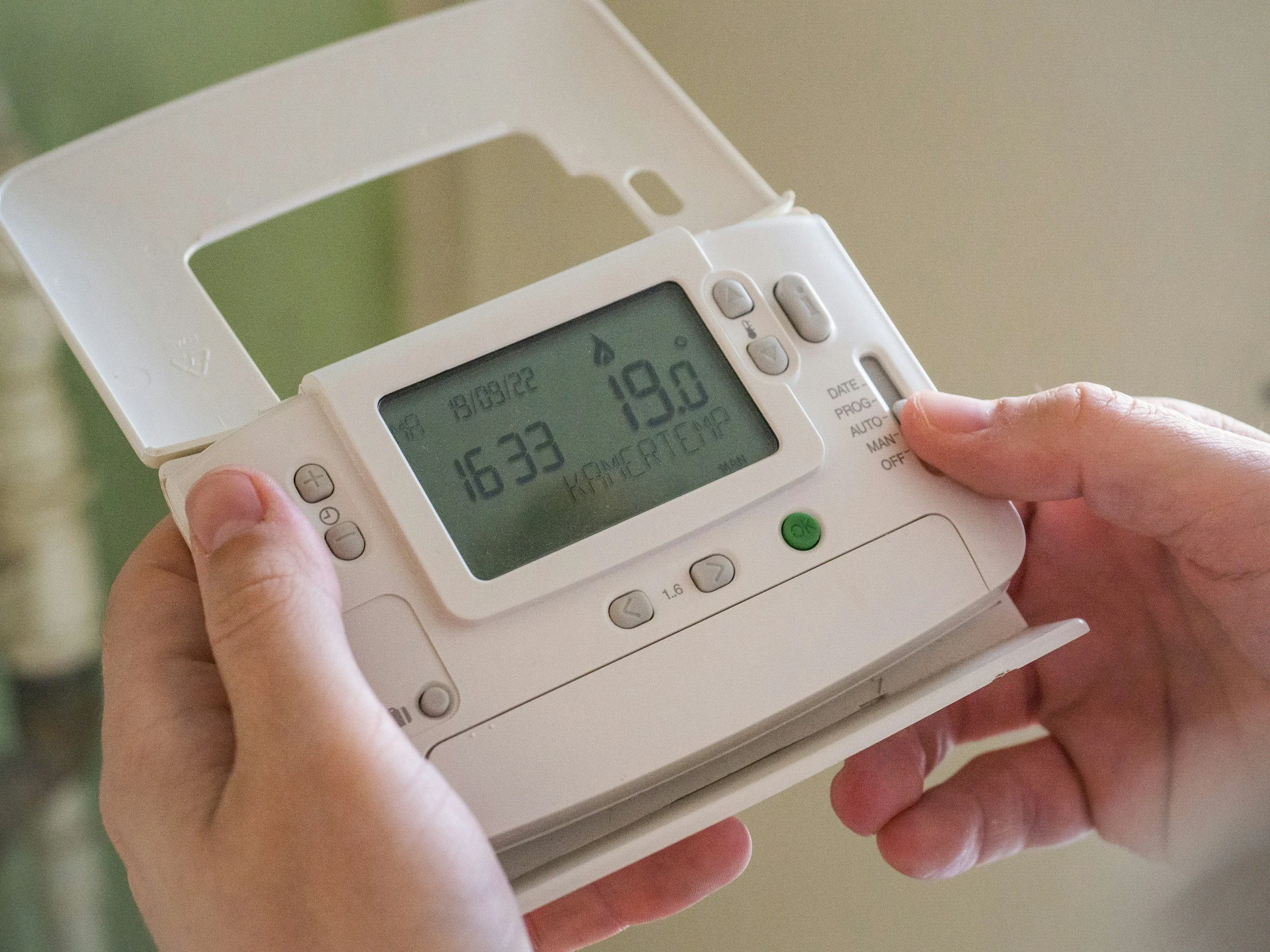
Temperature & Humidity Monitoring
Purpose
Monitor indoor environmental conditions continuously.
Use Case
For landlords, housing associations, and social housing providers, temperature and humidity monitoring is a critical tool in preventing damp and black mould. Persistently high humidity and low internal temperatures are leading indicators of mould formation, which can negatively impact occupant health, increase maintenance costs, and expose organisations to regulatory and reputational risk.
Continuous monitoring enables early identification of adverse conditions, allowing preventative action before visible damage occurs.
Real-World Example
In a residential flat, occupants regularly dry clothes indoors during winter months. Humidity levels gradually rise above safe thresholds. The system highlights the trend, enabling the housing provider to issue ventilation guidance or install improved extraction. Early intervention prevents mould growth, avoids remedial works, and protects both occupant wellbeing and asset value.
-
![]()
Legionella Prevention
Water Temperature Monitoring & Automated Flushing
PurposeReduce the risk of Legionella bacteria growth by monitoring water system temperatures and automating flushing in low-use outlets.
Use Case
Legionella bacteria proliferate in stagnant water and within specific temperature ranges, particularly in buildings with complex or under-used water systems. Continuous monitoring of hot and cold-water temperatures, combined with automated flushing, provides a proactive and auditable approach to Legionella risk management.
This supports compliance with Legionella control plans and provides clear evidence for inspections and audits.
Real-World Example
In a large residential block or public building, several outlets are rarely used. Temperature sensors identify that hot water temperatures at certain points are falling below recommended thresholds.
Automated flushing is triggered, restoring safe temperatures and preventing stagnation. All readings and actions are logged, creating a clear audit trail.
-
![]()
Motion & Presence Detection
Purpose
Detect movement and occupancy.
Use Case
Motion and presence sensors are used to improve energy efficiency and enhance security. In occupied spaces, they support intelligent control of lighting and services. In restricted or low-traffic areas, they provide early detection of unauthorised movement.
Real-World Example
In a commercial office building, meeting rooms are fitted with presence sensors. Lighting is automatically reduced when rooms are unoccupied, cutting energy consumption. After hours, unexpected movement in a plant room triggers an alert, allowing facilities teams to investigate potential unauthorised access.
-
![]()
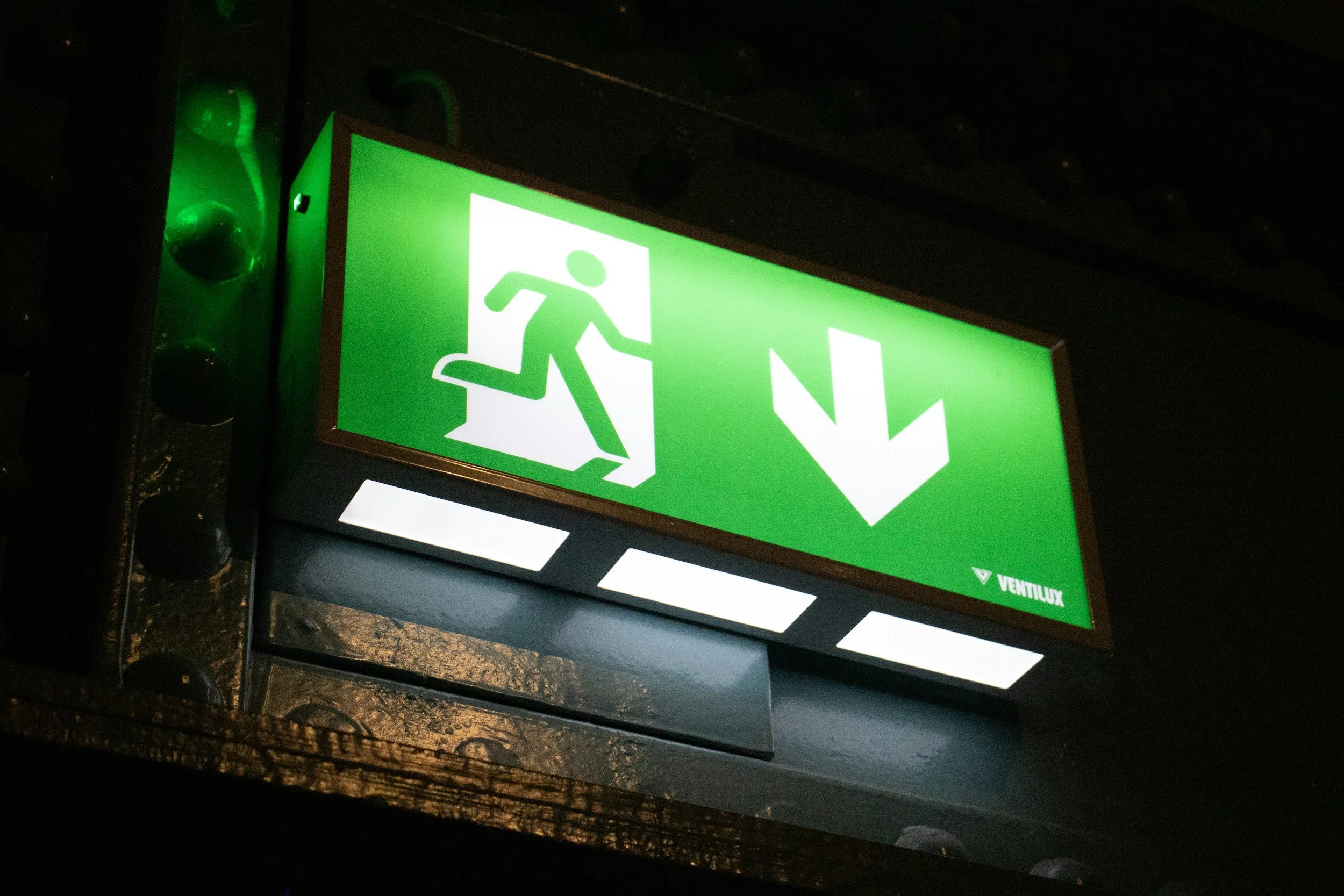
Remote Emergency Lighting Flash Testing
Purpose
Enable automated, remote testing of emergency lighting systems.
Use Case
Emergency lighting must be tested regularly to comply with safety regulations. Remote flash testing allows facilities teams to conduct tests without manual inspections, ladders, or disruption to occupants. This reduces labour requirements and improves auditability.
Real-World Example
In a hospital or school, emergency lights are distributed across multiple floors. Automated flash tests are scheduled outside operational hours. Results are logged digitally, ensuring compliance records are always up to date while minimising disruption.
-
![]()
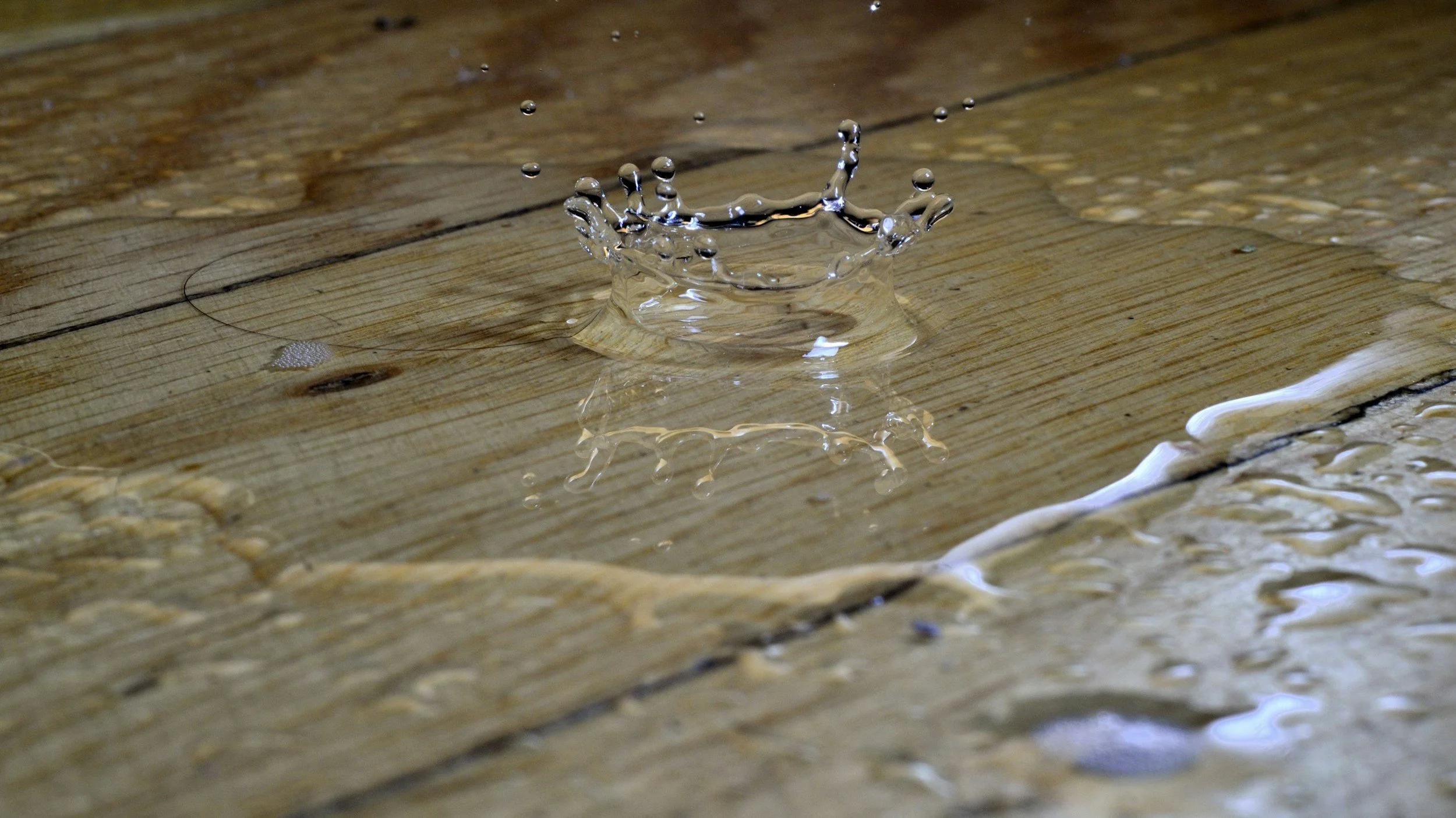
Water Leak & Flood Detection
Purpose
Detect leaks and potential flooding at an early stage.
Use Case
Water damage is one of the most common and costly building risks. Leak and flood sensors provide early detection in high-risk areas such as kitchens, bathrooms, plant rooms, and basements, enabling rapid intervention.
Real-World Example
A slow leak develops under a kitchen sink in a residential unit. A leak sensor detects moisture early and triggers an alert, allowing maintenance teams to address the issue before significant damage occurs.
-
![]()
CO₂ & Indoor Air Quality Monitoring
Purpose
Monitor indoor air quality and carbon dioxide levels.
Use Case
Poor indoor air quality can affect health, comfort, and productivity. CO₂ and air quality monitoring provides insight into ventilation effectiveness and occupancy levels, supporting informed HVAC management.
Real-World Example
In an open-plan office, CO₂ levels rise during peak occupancy. Data highlights insufficient ventilation, prompting adjustments that improve air quality and occupant comfort.
-
![]()
Energy Metering & Consumption Monitoring
Purpose
Track energy usage in real time.
Use Case
Energy metering enables organisations to understand how energy is consumed across buildings or tenants. This supports cost allocation, anomaly detection, efficiency initiatives, and sustainability reporting.
Real-World Example
Unusual overnight energy usage in a commercial building reveals a malfunctioning HVAC unit running continuously. Early detection reduces energy waste and operating costs.
-
![]()
Smart Parking Monitoring
Purpose
Monitor parking space availability.
Use Case
Smart parking sensors provide real-time visibility of parking occupancy, improving tenant experience and reducing congestion in shared facilities.
Real-World Example
In a multi-tenant office park, live parking availability data directs drivers to open bays, reducing congestion and frustration.
-
![]()
Vibration & Tilt Monitoring
Purpose
Detect abnormal movement or vibration.
Use Case
Vibration and tilt sensors support structural monitoring and predictive maintenance of critical equipment by identifying abnormal patterns before failures occur.
Real-World Example
Vibration sensors on rooftop HVAC units detect increasing vibration levels over time, indicating mechanical wear. Early maintenance prevents failure and avoids costly emergency repairs.
-
![]()
Security & Access Monitoring
Purpose
Monitor access points and detect unauthorised entry.
Use Case
Door and window sensors provide real-time visibility of access events and tampering attempts, supporting security monitoring and audit requirements.
Real-World Example
A server room door opens unexpectedly after hours. An alert is triggered, allowing security staff to respond immediately.
-
![]()
Noise Level Monitoring
Purpose
Measure and manage indoor noise levels.
Use Case
Noise monitoring supports occupant comfort and compliance in offices, residential buildings, and mixed-use developments.
Real-World Example
Persistent high noise levels in shared areas of a co-working space prompt changes to layout and usage policies, improving comfort and productivity.
-
![]()
Occupancy-Driven HVAC Control
Purpose
Optimise HVAC systems based on actual occupancy.
Use Case
Occupancy data allows heating, cooling, and ventilation to adjust dynamically, reducing energy waste.
Real-World Example
Conference rooms are frequently booked but often unoccupied. Occupancy sensors reduce HVAC output when rooms are empty, cutting unnecessary energy consumption.
-
![]()
Smart Waste Monitoring
Purpose
Monitor waste levels in bins and dumpsters.
Use Case
Waste sensors enable collections based on fill levels rather than fixed schedules, reducing costs and overflow.
Real-World Example
In a large commercial building, sensors identify which bins require emptying, optimising cleaning routes and preventing overflow.